Patara
Lycia’s main port, behind one of the longest beaches in Türkiye. The restored council house (bouleuterion) is where the Lycian League’s assembly is thought to have met, and tradition makes Patara the birthplace of Saint Nicholas.
Plan your visit
For a first visit at an easy pace.
Opening hours and prices change: see muze.gov.tr (opens in a new tab).
Times are our estimates. Distances are straight lines.
Where it is and how to get there
On the south-west coast, by the village of Gelemiş in Kaş district, Antalya province, near the resort town of Kalkan. In ancient times it was the only part of the Xanthos valley open to the sea.
The walk, with what you’re looking at
The main sights lie along the road in from the village of Gelemiş, on a flat plain between low hills.
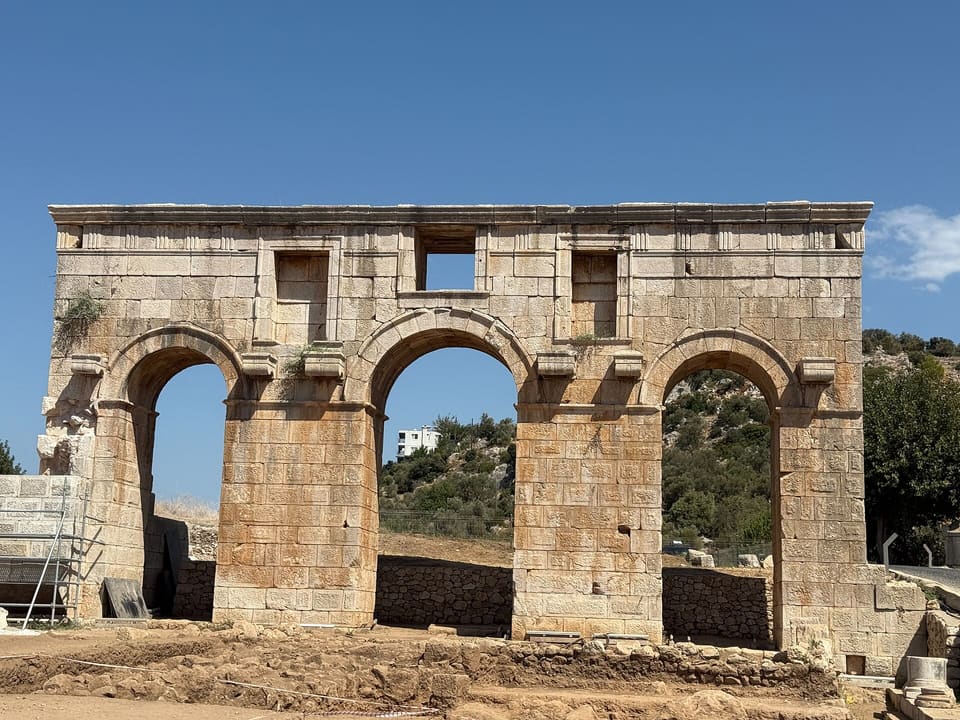
- The triumphal arch
The triple-arched gate on the way in, built about AD 100 and named for the governor of Lycia.
- The main street
One of the widest streets in Lycia, with columns along both sides, running towards the old harbour.
- The theatre
Set into the hillside and rebuilt after an earthquake in the 2nd century AD.
- The council house
Beside the theatre: the restored hall, built like a small theatre, where the Lycian League’s assembly is thought to have met.
- The baths and the old harbour
Several Roman baths stand near the harbour. The harbour itself has silted up into a marsh.
- The lighthouse
A tall stone tower on a stepped base, about 26 m high, built in Nero’s reign according to an inscription. One of the oldest lighthouses to survive.
- Hadrian’s Granary
The warehouse where grain waited for shipment to Rome, named for the emperor’s visit.
- The beach
A long sandy beach with dunes, where loggerhead turtles nest.
Patara
The port of the Xanthos valley, where a league of cities met and a famous saint was born. It was left to the sand, and the dunes covered it until the 1980s.
- 13th century BCPatar
A Hittite text names the city as Patar. Later Greeks tell that it was founded by Patarus, a son of Apollo.
- Greek timesThe oracle of Apollo
The city has a temple and an oracle of Apollo said to rival Delphi.
- 2nd century BCHead of the Lycian League
The League meets in Patara, and the city holds three votes, the most any member can have.
- AD 43Roman Lycia
Lycia becomes a Roman province, and Patara stays a leading city. It is a port for grain bound for Rome.
- About AD 100A gate for a governor
The citizens build a triple-arched gate for the governor, Mettius Modestus.
- 2nd century ADGranary and theatre
Hadrian’s Granary is built, and the theatre is rebuilt after an earthquake.
- About AD 270Nicholas is born
Nicholas, later bishop of Myra and the saint behind Santa Claus, is said to be born here.
- AD 325A bishop at Nicaea
Eudemus, bishop of Patara, takes part in the Council of Nicaea.
- 5th century ADA smaller city
The city pulls back inside a new wall, built from stone of the buildings it gives up. The council house becomes a tower in that wall.
- About AD 1340Left to the sand
The harbour silts up, dunes spread over the ruins, and the city is abandoned.
- 1980s → todayDug up
Excavations begin in 1988 and are still going on. The council house, the gate and the main street have been restored.
Photographs
6 photographs from Wikimedia Commons, each with its author and licence.
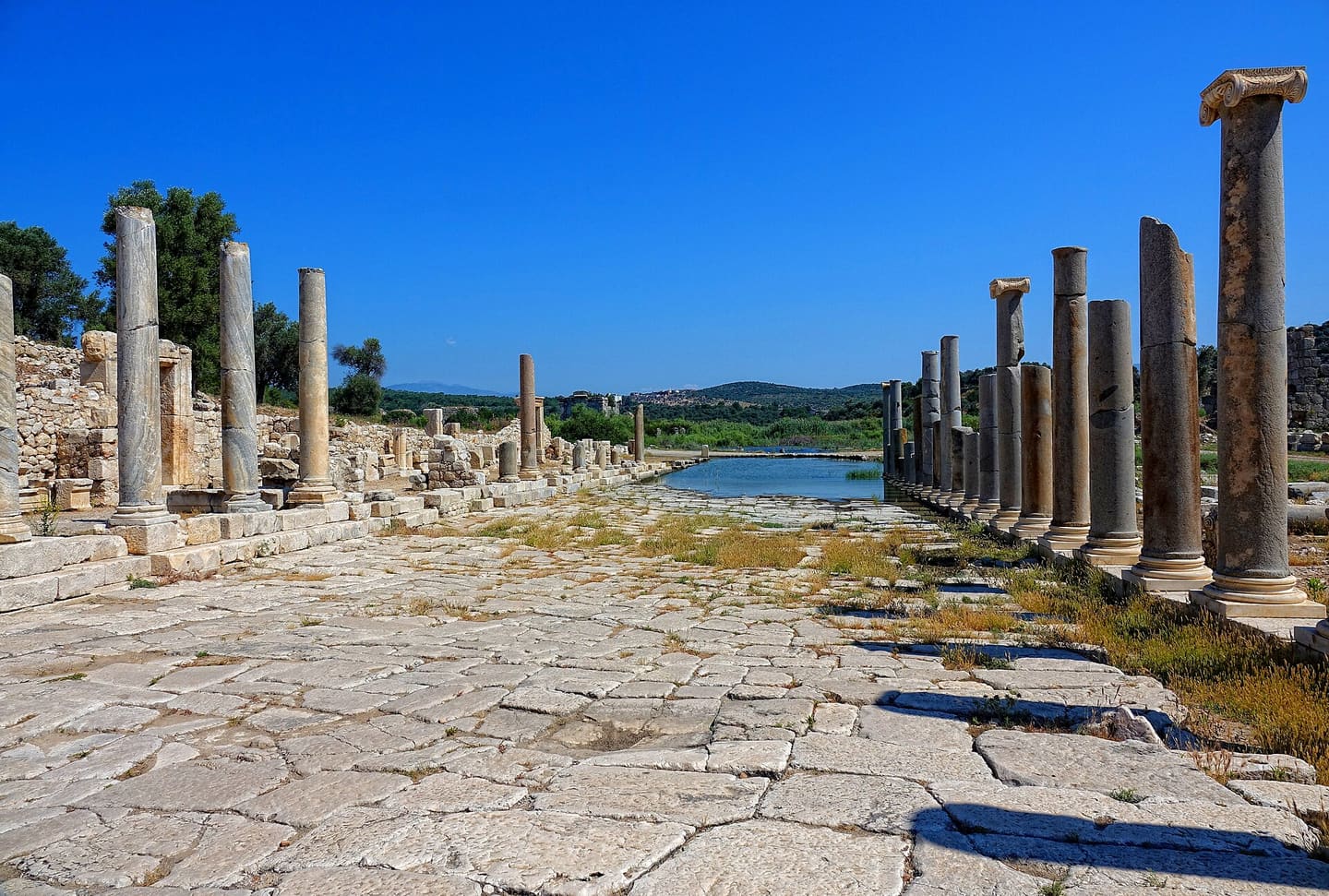
Photo: Bjørn Christian Tørrissen · CC BY-SA 4.0 (opens in a new tab) · Wikimedia Commons (opens in a new tab)
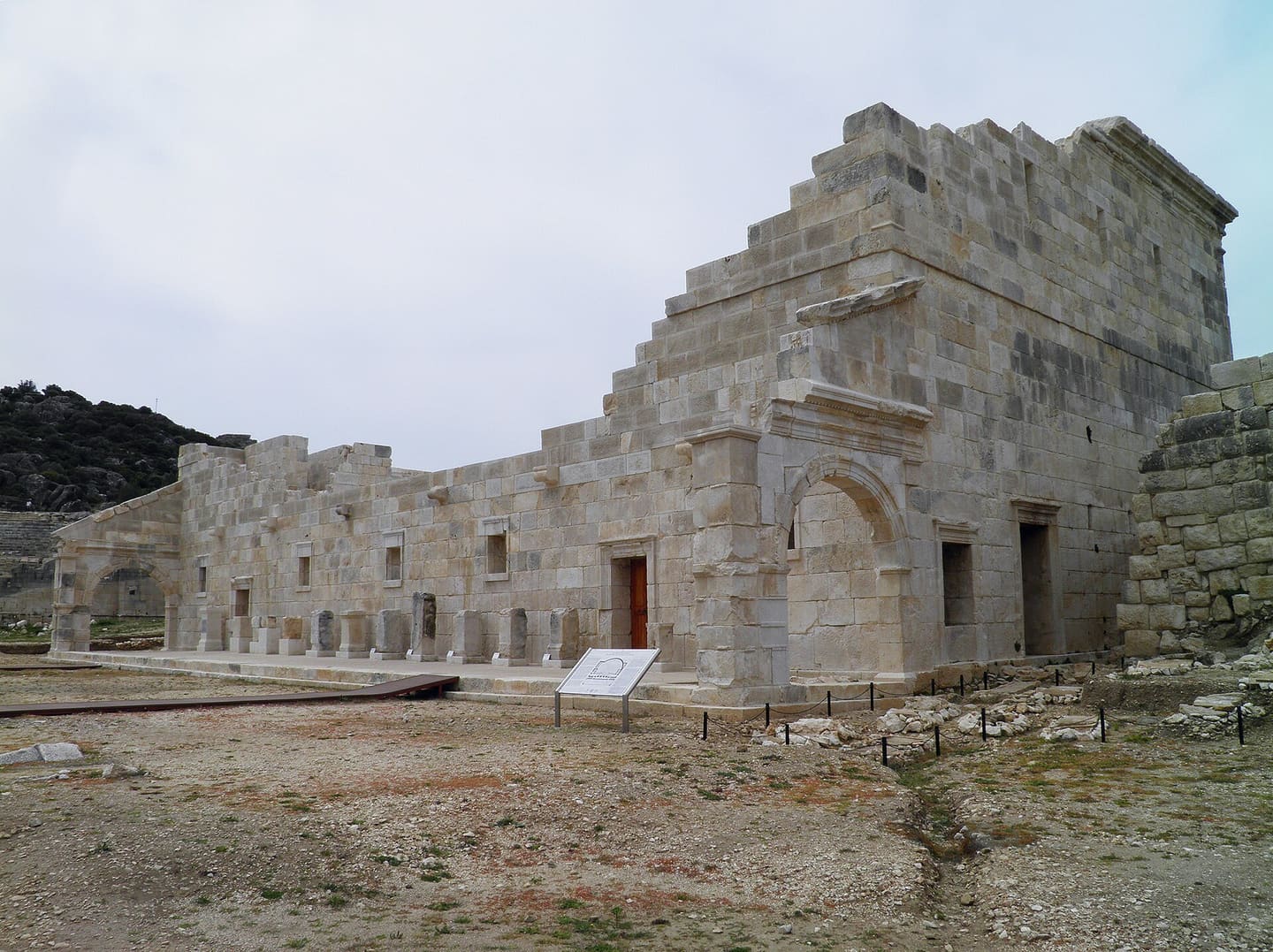
The Lycian League’s assembly is thought to have met here.
Photo: Carole Raddato from FRANKFURT, Germany · CC BY-SA 2.0 (opens in a new tab) · Wikimedia Commons (opens in a new tab)
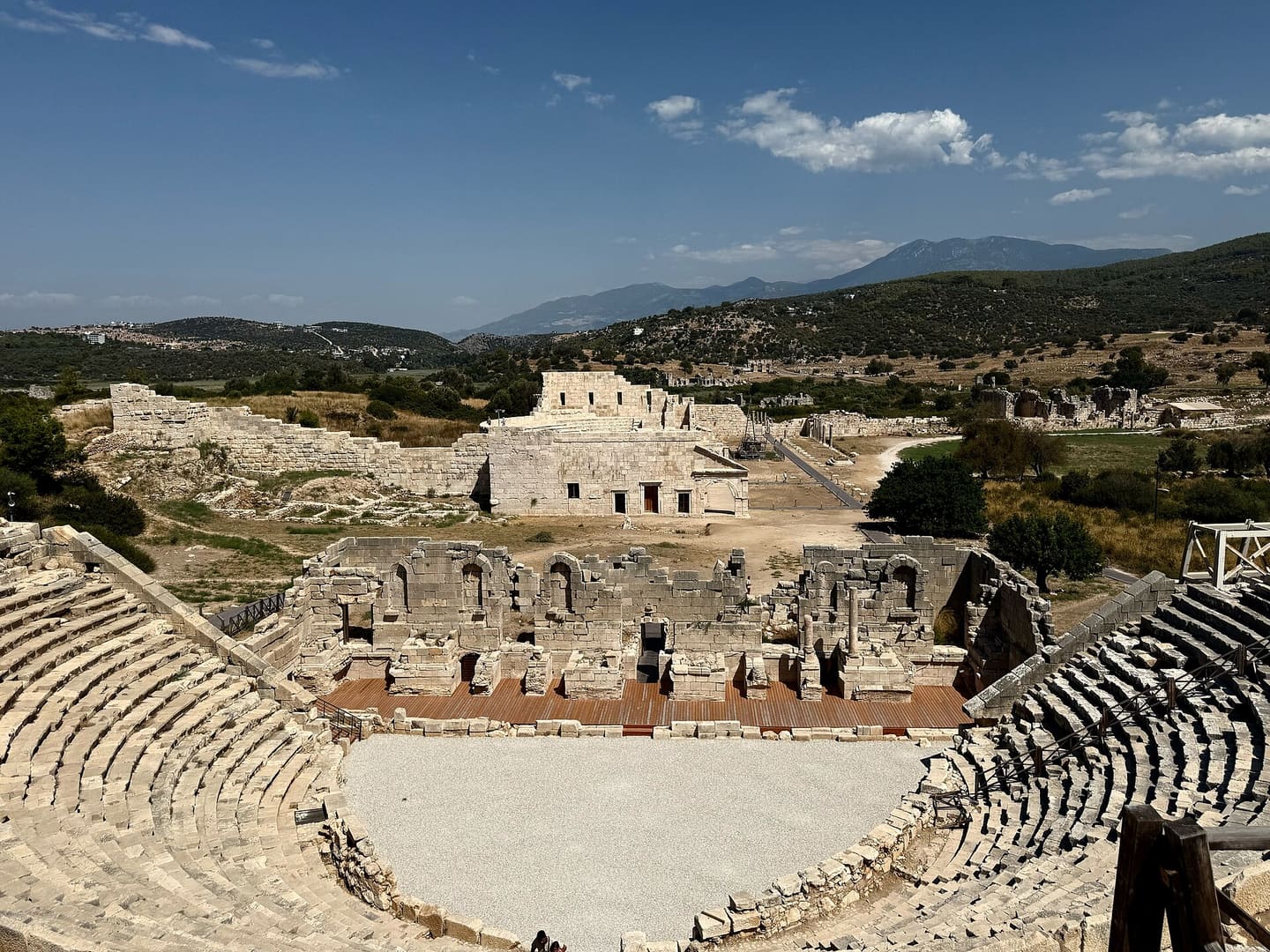
Photo: Roman_Zacharij · CC BY-SA 4.0 (opens in a new tab) · Wikimedia Commons (opens in a new tab)
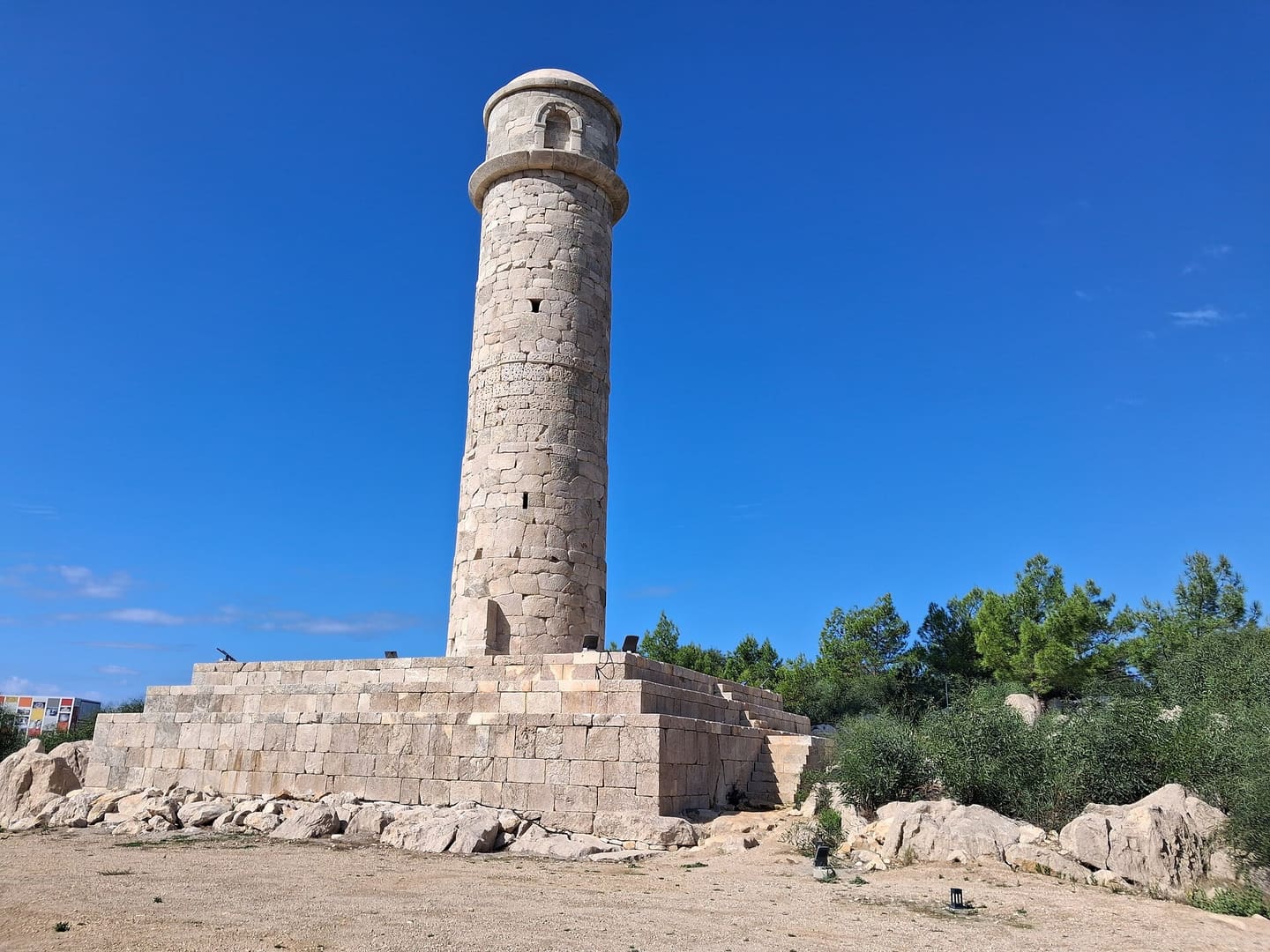
Photo: Chescargot · CC BY-SA 4.0 (opens in a new tab) · Wikimedia Commons (opens in a new tab)
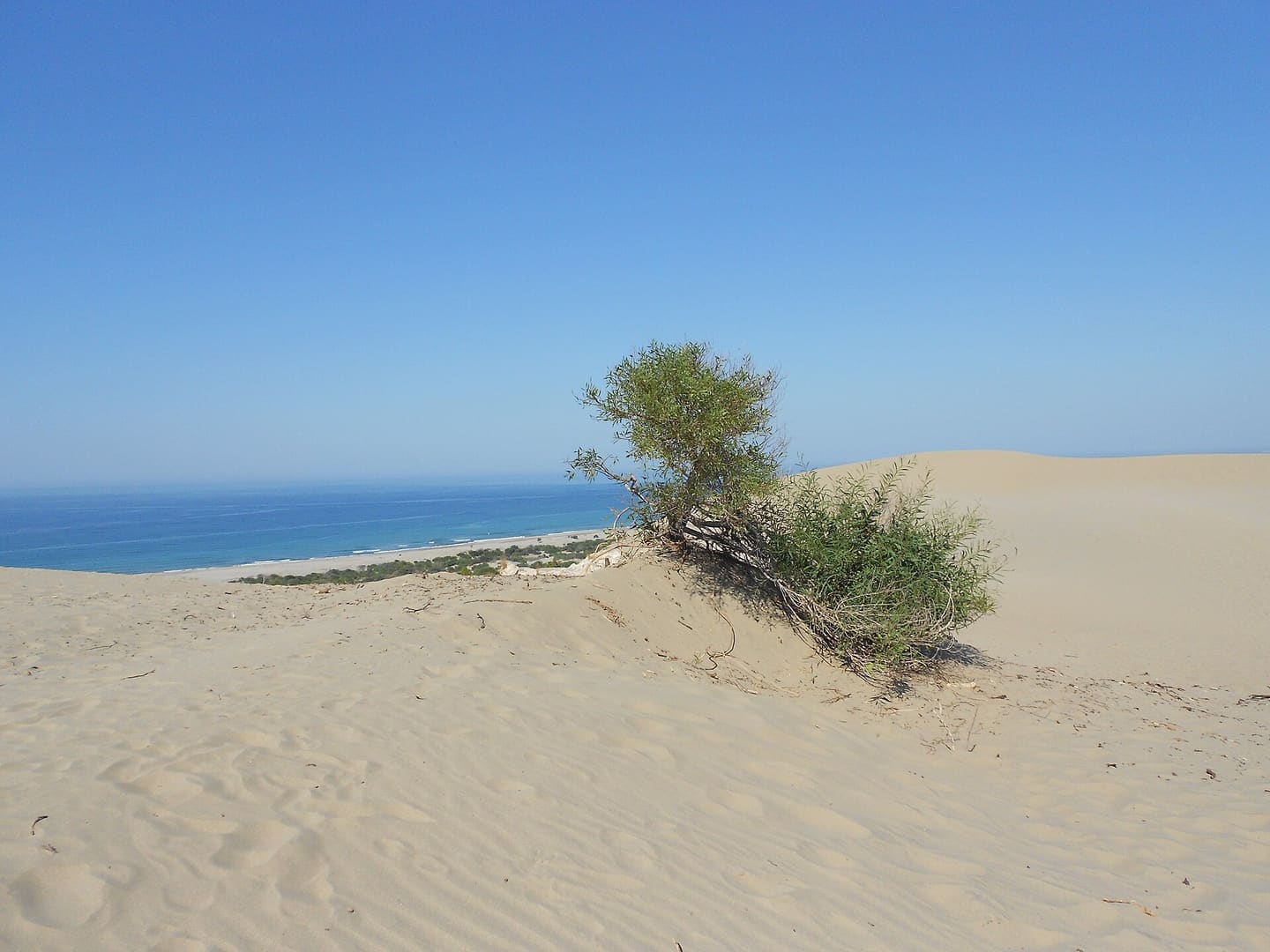
Photo: Angela Stefanoni · CC BY 3.0 (opens in a new tab) · Wikimedia Commons (opens in a new tab)
Good to know
- The council house, the gate and the columns of the main street have been restored, and some parts are copies. Look for where old and new stone meet.
- Excavation is still going on, so some areas may be fenced off.
- Turtles nest on the beach: follow the signs and keep out of the areas marked off for them.
- The Lycian Way, the long hiking trail, passes nearby.
- The ministry runs an audio guide for the site and has a brochure: see its page on muze.gov.tr.
Earliest federal republic cited by the US founders. Lycian League council house (Bouleuterion of Patara), league formed c. 205–168 BC. Qualified How sure we are →
Also nearby
- 8 kmLetoon
Sanctuary, Lycian–Roman
- 11 kmXanthos
City, Lycian–Roman
- 20 kmSidyma
City, Lycian–Roman
- 26 kmPınara
City, Lycian
- 30 kmAntiphellos (Kaş)
City / theatre, Lycian–Roman
- 34 kmTlos
City, Lycian–Roman
- museumAlanya Museum
Bronze Herakles
- museumAntalya Museum
Perge statues, Weary Herakles
- museumElmalı Museum
Elmalı treasure
- museumKaş Museum
Location precise · Source (opens in a new tab)